Travel Information
Planning your visit to Bohol? Here’s some helpful information to make your stay more enjoyable and hassle-free.
Geography of Bohol
Located in the heart of the Central Visayas region, Bohol is one of the Philippines’ most beautiful island provinces. Covering approximately 4,117 square kilometers, it is the country’s tenth-largest island and is renowned for its stunning natural landscapes, pristine beaches, rolling countryside, and rich marine biodiversity.
Surrounded by neighboring islands such as Cebu, Siquijor, Leyte, and Mindanao, Bohol enjoys a relatively sheltered location. This geography helps protect the island from many of the stronger typhoons that affect other parts of the Philippines, making it a popular year-round destination for travelers seeking sunshine, adventure, and relaxation.
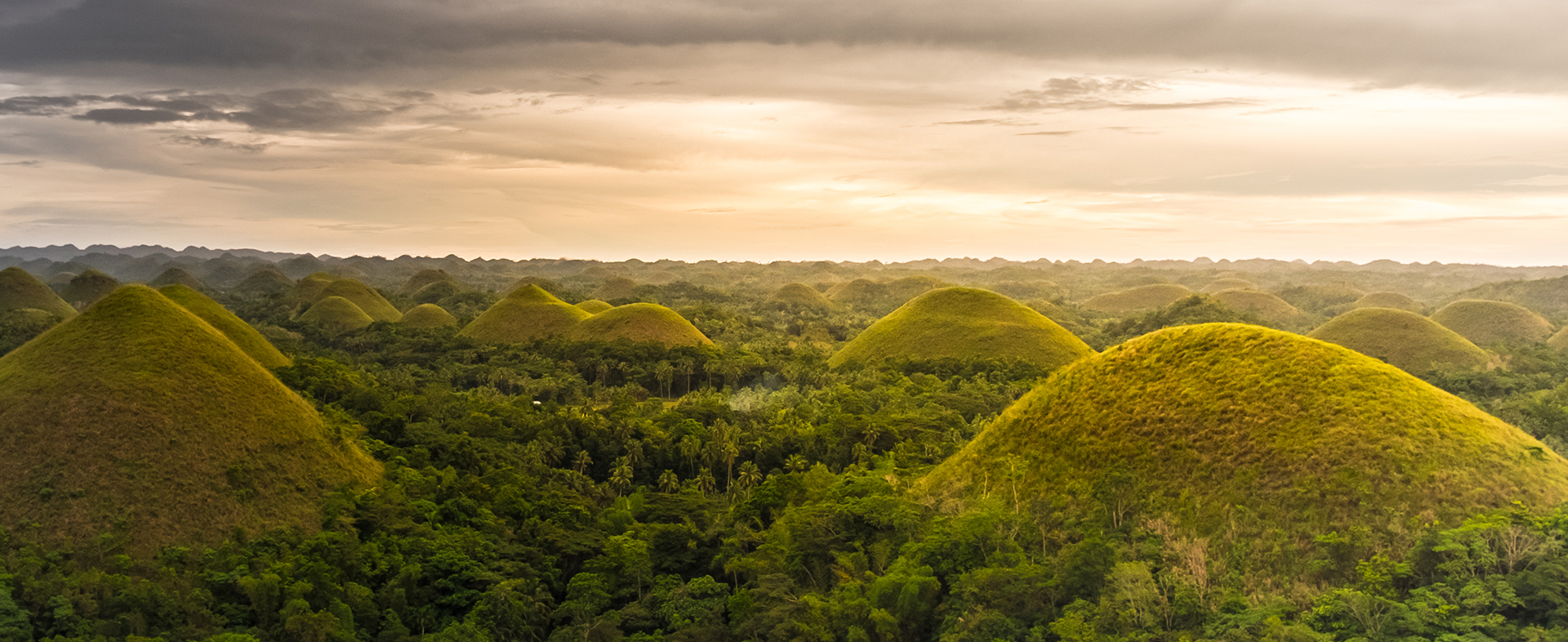
The island offers a diverse range of attractions, from the world-famous Chocolate Hills and the Philippine Tarsier to white-sand beaches, waterfalls, caves, and vibrant coral reefs. Whether you’re looking for outdoor adventures or a peaceful tropical escape, Bohol has something for every traveler.
Visa Information
Visitors from many countries can enter the Philippines without obtaining a visa in advance, making travel to Bohol convenient and straightforward. Entry requirements may vary depending on your nationality, length of stay, and purpose of travel.
Most international visitors are required to hold a passport that is valid for at least six months beyond their intended departure date and may be asked to present proof of onward or return travel. Immigration policies can change from time to time, so we recommend checking with the nearest Philippine Embassy or Consulate before your trip to ensure you have the most up-to-date information.
For the latest travel and visa requirements, it is always best to consult official government sources before making your travel arrangements.
The Boholano Language
The primary language spoken in Bohol is Cebuano, locally known as Boholano. While it shares many similarities with the Cebuano spoken in neighboring provinces, it has its own unique accent, expressions, and pronunciation that reflect the island’s cultural identity.
The good news for international visitors is that communication is rarely a problem. English is widely spoken throughout Bohol, especially in hotels, resorts, restaurants, tourist attractions, and transportation services. Filipino (Tagalog), the country’s national language, is also commonly spoken and understood.
Learning a few local greetings and expressions can be a fun way to connect with residents, but visitors can generally travel around the island comfortably using English.
Currency & Money Information
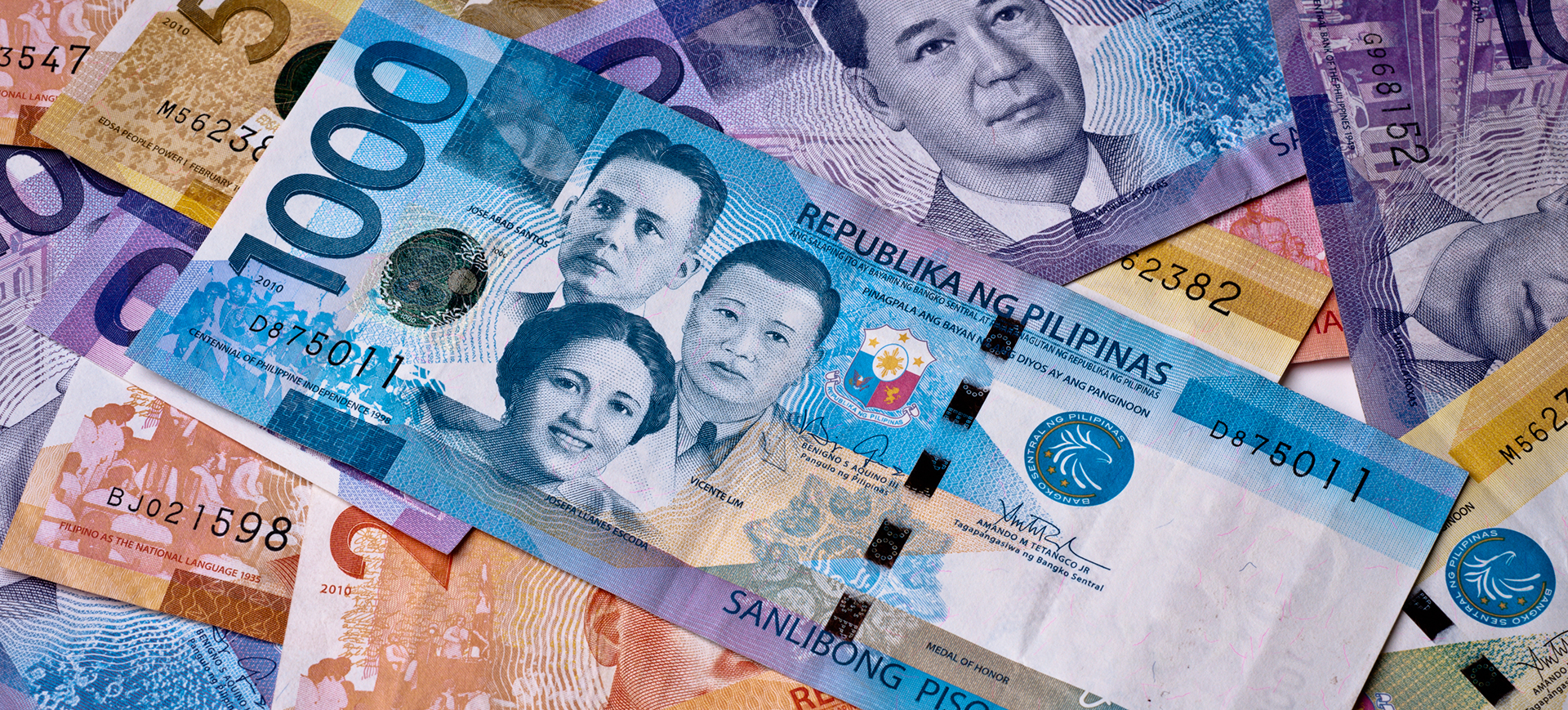
The official currency of the Philippines is the Philippine Peso (PHP), which is divided into 100 centavos. Banknotes and coins are widely used throughout the country, and most businesses in Bohol accept cash payments.
ATMs are readily available in major towns, shopping centers, and tourist areas such as Tagbilaran City and Panglao Island. Many hotels, restaurants, and larger establishments also accept major credit and debit cards, although smaller businesses and local vendors may prefer cash transactions.
For convenience, visitors are encouraged to carry a combination of cash and cards during their stay. Currency exchange services are available at airports, banks, and authorized money changers. Before traveling, it is advisable to notify your bank of your international travel plans to avoid any issues when using your cards abroad.
Why Stay at Paradise Palms Cove Resort?
Stay connected with complimentary WiFi throughout the resort.
Enjoy convenient room service with food, drinks, and more delivered to your room.
Our team is dedicated to making your stay comfortable and enjoyable.
Unwind in a peaceful setting designed for rest and relaxation.
Our welcoming team is always ready to assist with anything you need.
We take pride in providing excellent service, comfortable accommodations, and memorable stays.